
Metabolism Myths Keeping You Overweight and Exhausted
The metabolism advice circulating on social media, in fitness magazines, and even from well-meaning friends is often not just wrong, it's actively harmful. These myths keep people stuck in cycles of failed diets, crushing fatigue, and growing frustration.
Let's debunk the three most damaging metabolism myths so you can finally break free and actually improve your metabolic health.
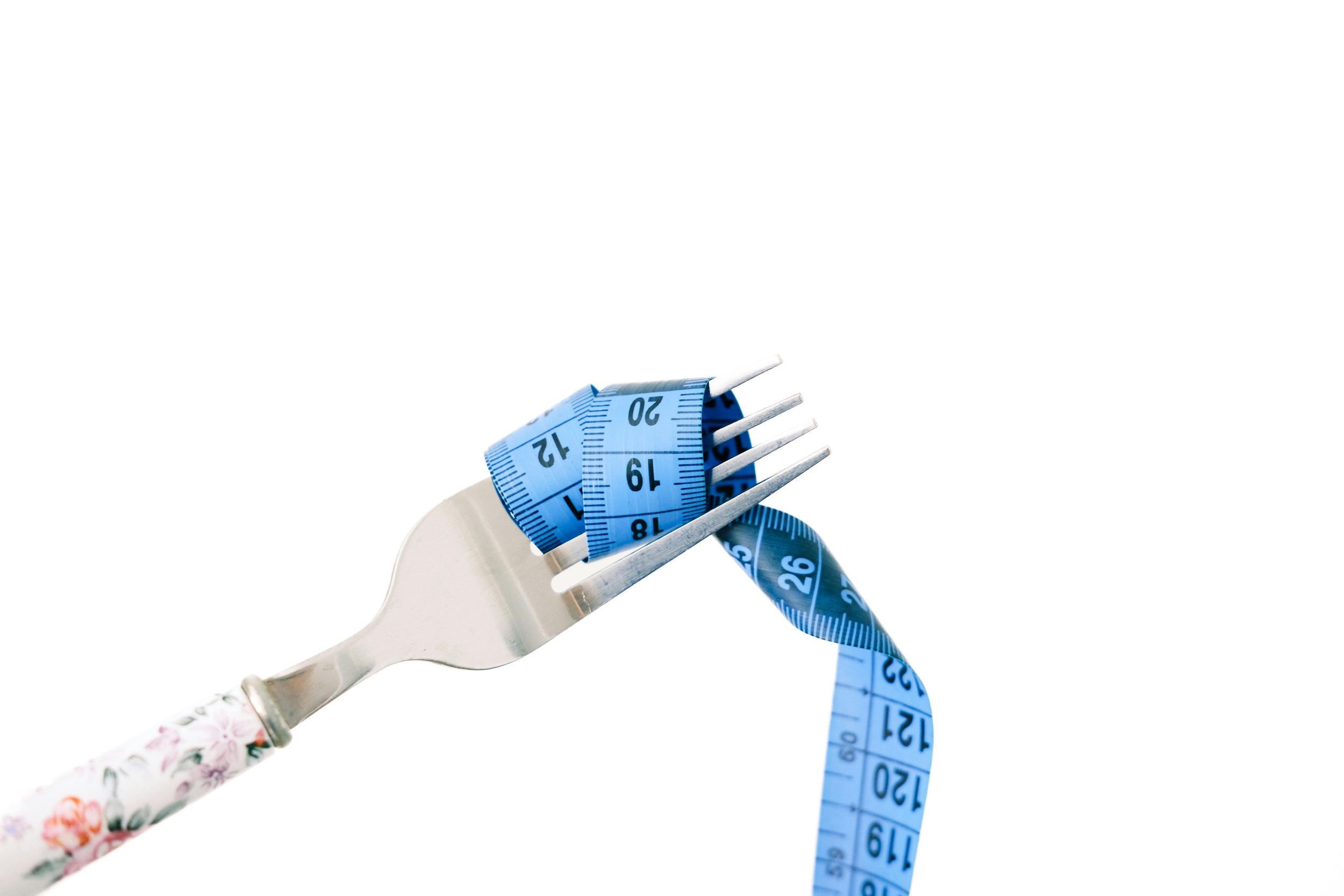
Myth 1: "Eating Small, Frequent Meals Boosts Your Metabolism"
You've heard it a thousand times: eat six small meals a day to "keep your metabolism revved up." The idea is that eating frequently makes your body burn more calories through the "thermic effect of food," and that going too long without eating will cause your metabolism to slow down or enter "starvation mode."
The Truth: This advice is outdated and, for most people, counterproductive. While it's true that digesting food requires energy, the total thermic effect depends on how much you eat in a day, not how often. Six small meals and three larger meals with the same total calories produce virtually identical metabolic effects.
What frequent eating actually does is keep your insulin elevated all day long. Every time you eat, insulin rises to help move glucose into cells. If insulin never gets a chance to drop, your body stays in storage mode rather than burning mode. You're constantly storing energy, never accessing it. This is particularly problematic for people with insulin resistance or metabolic dysfunction.
Constant eating also means your body never fully completes digestion, your gut never gets a break, you lose natural hunger and fullness cues, and you become dependent on constant food intake for energy.
What to Do Instead: For most people, eating 2-3 solid, balanced meals per day with 3-5 hours between meals works far better metabolically. This allows insulin to drop between meals, gives your digestive system rest, promotes metabolic flexibility, and helps you reconnect with true hunger signals.
If you need a snack, make it substantial with protein and fat rather than constant small portions. Consider a time-restricted eating window where you eat within 10-12 hours and fast the remaining hours. This improves insulin sensitivity and metabolic health.
Myth 2: "You Just Need to Eat Less and Exercise More"
This is the most pervasive and damaging metabolism myth. The basic logic seems sound: weight loss is simply calories in versus calories out. If you eat less and move more, you'll create a calorie deficit and lose weight. If it's not working, you're either eating more than you think or not exercising enough.
The Truth: While energy balance matters, metabolism is far more complex than a simple math equation. Your body is not a calculator. It's a dynamic, adaptive system that responds to your behaviors in sophisticated ways. When you dramatically cut calories and increase exercise, several things happen: your metabolism adapts and slows down, burning fewer calories at rest and during activity. Your hunger hormones increase dramatically, making you constantly hungry. Your fullness hormones decrease, so you never feel satisfied.
Your body increases the efficiency of movement, burning fewer calories for the same activities. Your energy levels plummet, causing you to unconsciously move less throughout the day. Your stress hormones elevate, promoting fat storage especially around your middle. Your thyroid function may slow down. Your immune system weakens. Your sleep quality deteriorates. Your muscle mass decreases, further slowing your metabolism.
The result? You're eating very little, exercising constantly, and either not losing weight or losing it temporarily only to regain it (plus more) when your willpower inevitably fails against these powerful biological forces.
What to Do Instead: Focus on metabolic health, not just calorie deficit. Eat adequate protein to preserve muscle mass and support metabolism. Don't slash calories to unsustainable levels; create a modest, sustainable deficit. Include strength training to build metabolically active muscle tissue. Prioritize sleep, which directly impacts hunger hormones and metabolism. Manage stress, which affects cortisol and fat storage. Support your thyroid with adequate calories, carbohydrates, and nutrients like selenium and iodine. Work with your body's signals rather than against them.
Myth 3: "Your Metabolism Is Fixed by Genetics or Age"
How many times have you heard or thought, "I just have a slow metabolism, it runs in my family," or "My metabolism tanked when I hit 40, there's nothing I can do"? This belief creates learned helplessness. If metabolism is determined by genetics or age, why bother trying to change it?
The Truth: While genetics and age do influence metabolism, they're not destiny. The impact is far smaller than most people believe, and you have much more control than you realize. Yes, some people naturally have higher or lower resting metabolic rates. But the variation is typically only 200-300 calories per day between people of the same size, not the dramatic differences people imagine.
Yes, metabolism does tend to slow with age. But the primary reason isn't aging itself, it's the muscle loss that happens with aging, combined with decreased activity, poorer sleep, increased stress, hormonal changes, and accumulation of metabolic dysfunction. All of these factors are modifiable.
Studies show that people who maintain muscle mass, stay active, prioritize sleep, manage stress, and eat well can have metabolic rates in their 60s and 70s similar to people decades younger. The difference isn't genetics or age. It's a lifestyle.
What to Do Instead: Build and preserve muscle through regular strength training. Muscle is metabolically active tissue that supports healthy metabolism at any age. Stay consistently active with both structured exercise and daily movement. Prioritize protein intake, which naturally decreases with age but becomes even more important. Address hormonal changes through lifestyle and, if appropriate, medical intervention. Focus on sleep quality, which often deteriorates with age but dramatically impacts metabolism. Work on metabolic health factors like insulin sensitivity, which you can improve regardless of age. Don't use age or genetics as an excuse. Use them as motivation to be proactive about the factors you can control.
The Real Metabolism Truth
Your metabolism isn't some mysterious black box determined by genetics and unchangeable by effort. It's a responsive, adaptive system influenced by hundreds of factors, many of which are within your control. The key isn't finding tricks to "boost" it. The key is supporting overall metabolic health through sustainable lifestyle practices.
Stop falling for myths that keep you stuck in frustration. Stop blaming your body for not responding to approaches that work against its natural functioning. Start supporting your metabolism through practices that actually work: adequate protein and nutrition, strength training and regular movement, sufficient sleep and stress management, time between meals and metabolic flexibility, hormone balance and insulin sensitivity, patience and consistency.
If you're tired of chasing metabolism myths and ready to understand what actually works for your body, I invite you to book a free discovery call with me. We'll cut through the confusion, address the real factors affecting your metabolism, and create a science-based, sustainable approach to metabolic health.
Check out our Membership Programs details here: CLICK HERE!
Or follow our Facebook page Dr. Lara Maty - Light Body Healing & Consulting, where I’ll be sharing more information, tips and recipes to help you live a happier, healthier life.

I have 3 different memberships to support your self-care, check these out here… https://www.drlaramay.com/memberships Whether you are looking for monthly energy healing, quarterly/seasonal detoxing, or monthly healthy eating recipes, I’ve got you covered.
If you are looking for more personalized help then you can take advantage of my Beta Life Coaching Program on sale right now for $160. 8 sessions in 8 weeks focused on whatever you need most. Here is the link to check it out… https://www.drlaramay.com/store/p/light-body-life-coaching-beta-tester
It is my privilege to be able to guide you along your healing journey. Please feel free to reply and let me know how I can be of service to you.
Namaste,

P.S.: Don’t forget! Join me on my Facebook page, as well as YouTube, Instagram & Twitter @drlaramay.
P.S.S.: Be sure to tune in to my podcast on your favorite platform, iTunes, Spotify, Stitcher, Podbean, or Anchor Fm @Light Body Radio to get all the juicy info coming your way in an easily digestible format. I look forward to hearing your feedback, comments, and suggestions.

check out this FREE guide!
Are you finally ready to break up with sugar?
If so, I’ve got the perfect thing!
Grab your FREE guide, 3 Ways to Quit Sugar to give yourself that nudge you need for success.
Say YES to yourself, and grab this FREE guide NOW

Hi, I'm Lara!
(pronounced like Sarah, but with a L)
Are you ready to lose weight, reduce stress, and reinvigorate your life?! Together let’s uncover your motivators for change, and turn your vision for your vibrant future into your new reality.
blogs by categries
- SUGAR FREE
- adrenal health
- approach to healing
- approach to well-being
- breakfast
- clean eating
- crystal bed
- daily detox
- detoxification
- dieting
- digestive health
- energy healing
- energy medicine
- essential oils
- foundation
- functional medicine
- gluten free
- healing
- health coaching
- healthy eating
- juicing
- mealtime habits
- meditation
- mindset tools
- movement
- recipe
- reiki
- skin
- stress relief
- sugar
- summer
- supplements
- telesummit
- webinar
- weight loss
- winter
- yoga
Subscribe
Join and receive exclusive tools, tips, and resources directly from Dr. Lara, plus a FREE copy of the Health Gut Guide!!
Quick links

Light Body Radio
with Dr. Lara May
Come say hi on Instagram